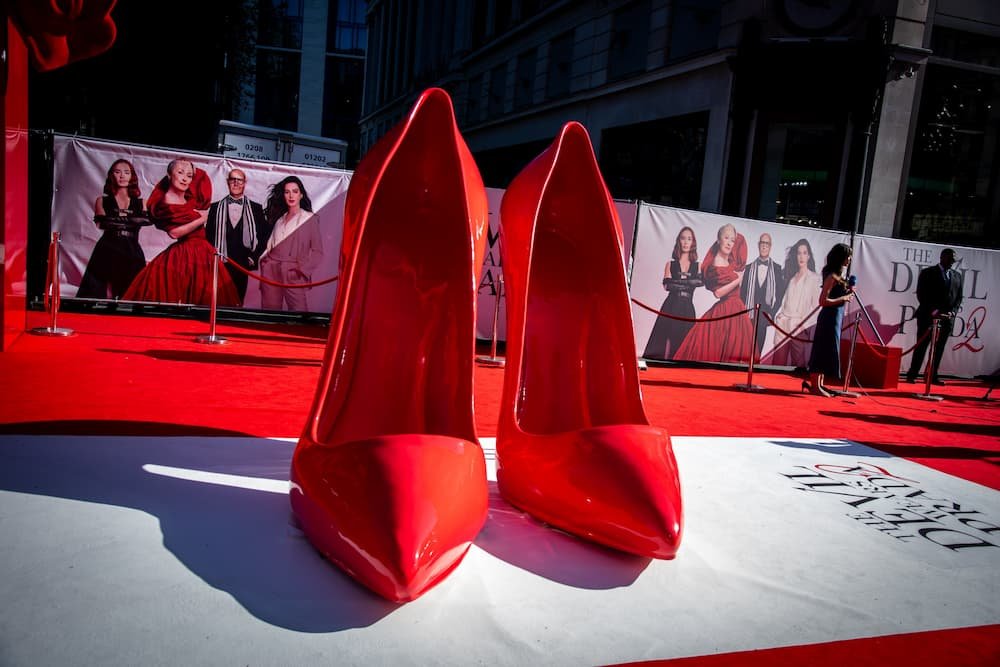
There’s a scene early in The Devil Wears Prada where Andy Sachs gets a crash course in the unspoken rules of fashion. Before long, she’s striding through New York in designer heels, looking every bit the part.
For many women, high heels are more than a fashion statement. They’re part of the professional wardrobe, a confidence boost, or simply the finishing touch to an outfit. But if you’ve ever ended a day in heels with aching, heavy legs, you may have wondered whether your footwear is affecting more than just your comfort.
While high heels don’t directly cause varicose veins, they can affect how efficiently blood circulates through the legs. Over time, this may worsen symptoms or contribute to vein problems in people who are already susceptible.
The good news? You don’t necessarily have to give up your favourite heels. Understanding how they affect your circulation can help you make smarter choices for both style and vein health.
High heels shift weight to the forefoot and toes, causing the calf muscles to remain contracted. This results in decreased filling of the foot and calf veins and a less forceful calf muscle pump, which causes blood to pool within the leg veins. Over long wear, that pooling can contribute to varicose veins. In fact, the higher the heel, the worse the calf pump.
That said, heels alone don’t cause varicose veins. But they reduce the efficiency of venous pumping, which may worsen symptoms or accelerate vein dilation in people already prone to venous disease.
If you already experience symptoms such as aching legs, visible bulging veins or a heavy, swollen feeling by the end of the day, wearing heels is likely to make those symptoms more noticeable. However, heels don’t have to be completely off-limits.
Here are some practical ways to enjoy them while taking care of your vein health:
Miranda Priestly would probably not approve of these choices and neither does the research.
A 2012 study tested three heel types: a 3.5cm medium heel, a 7cm stiletto and a 7cm platform.
All three reduced calf pump function compared to flat footwear; meaning to say even wider heel types like platforms offer no meaningful vascular advantage over stilettos at the same height. What determines the impact is how far your ankle is angled downward, not the shape of the heel beneath it.
That said, block heels and low wedges under 4cm do allow slightly more ankle mobility than a stiletto at equivalent height – something worth considering. Kitten heels are the most vein-friendly option with a heel, allowing near-normal ankle range of motion.
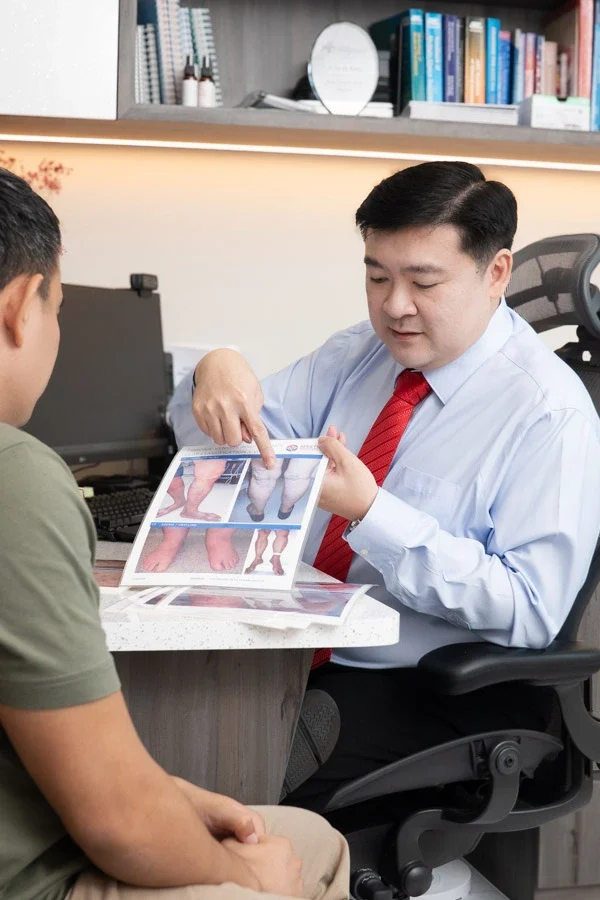
If you’re wearing heels regularly and noticing heaviness that doesn’t resolve after a night’s sleep, veins that are becoming more visible over time or ankle swelling that builds through the week, those are signs worth investigating.
Varicose veins don’t resolve on their own and catching them early means simpler treatment and more options.
If you’re noticing these symptoms, book a consultation with our vascular clinic in Singapore to find out what’s causing them and what can be done.
References:
38 Irrawaddy Road
#10-33
Singapore 329563
Tel: +65 6041 0933
1 Farrer Park Station Road
#08-14 Connexion
Singapore 217562
Tel: +65 6974 8859
HP: +65 8874 0371 (24 hours)
Email: co*****@**************ry.com
© 2026 Spectrum Vascular & General Surgery