Arterial Disease and (PAD) Treatment in Singapore

Symptoms, Diagnosis and Treatment Options

Peripheral Arterial Disease (PAD) Treatment Spectrum Surgery

Understanding Arterial Disease

Singapore performs three to four amputations every day due to arterial disease and diabetes. Many are preventable. If you have been told your leg may need to be amputated  or if you are experiencing leg pain when walking, non-healing wounds, or cold and numb feet contact Spectrum Surgery urgently. There is almost always an option before amputation.


At Spectrum Surgery, Dr Tay Jia Sheng, FRCS Edinburgh, FAMS, founder of the Vascular and Endovascular Service at Sengkang General Hospital specialises in minimally invasive limb salvage.

Day surgery procedures. No large incisions. Back home the same day in most cases. MediSave accepted.

Dr. Tay Jia Sheng
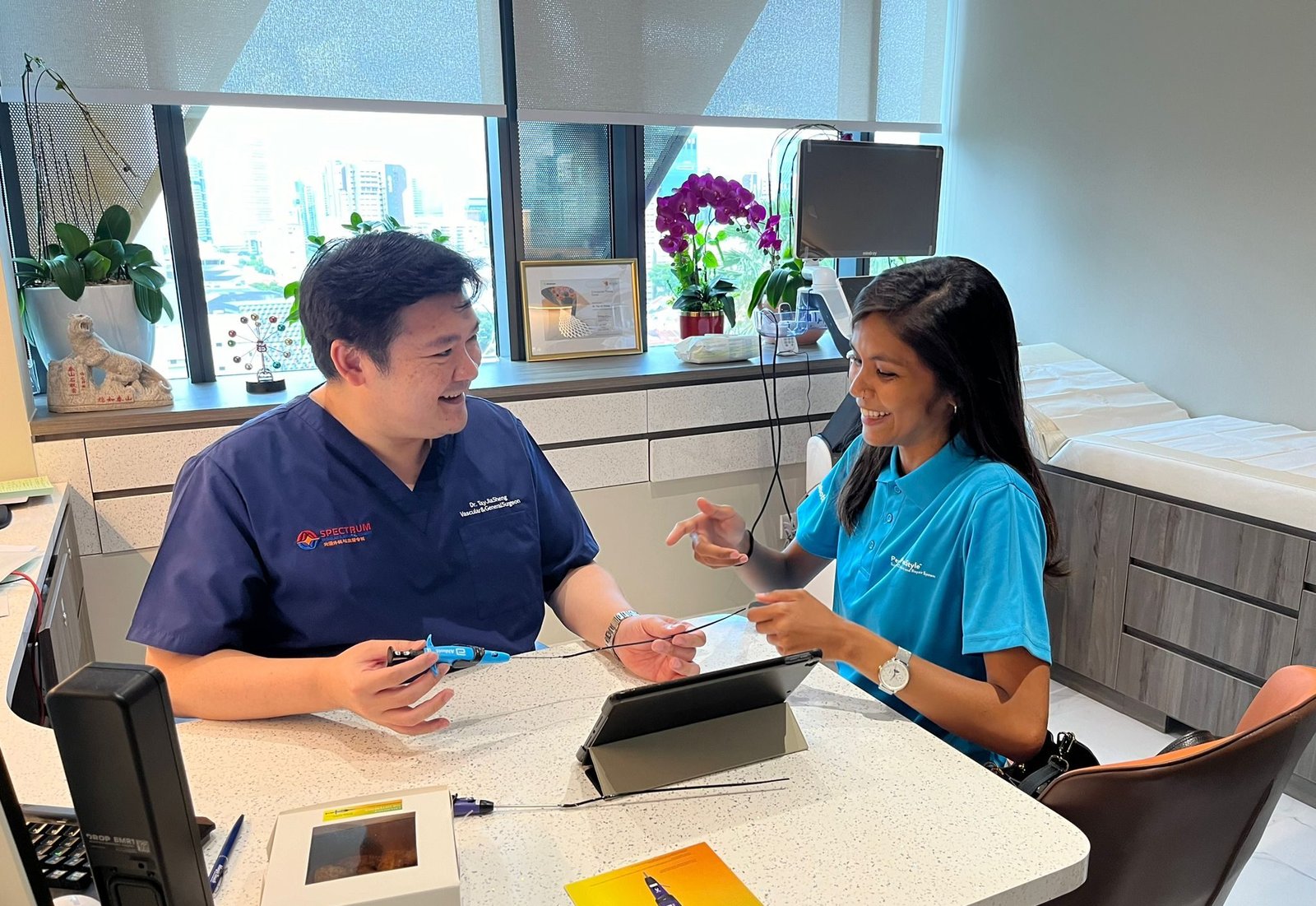
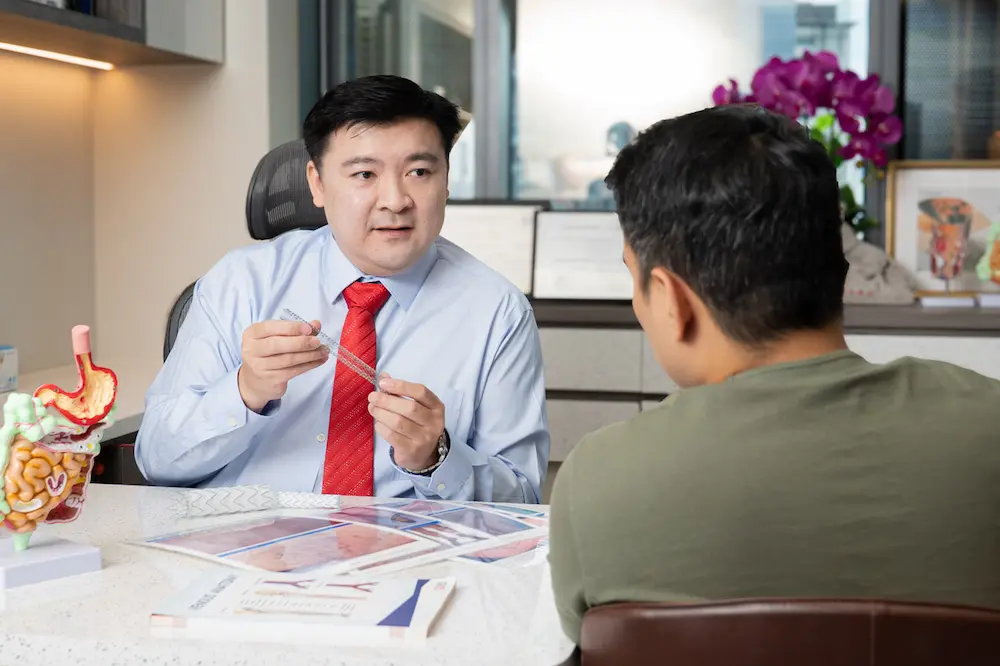
An image of a patient consulting our vascular specialist

20+ Years of Experience

Dr Tay Jia Sheng

Senior Consultant Vascular & Endovascular Surgeon

MBBS (Singapore), M.Med (Surgery), FRCSEd (Gen Surg)

Dr Tay Jia Sheng is a distinguished vascular surgeon in Singapore, specialising in minimally invasive vascular, endovascular and endovenous procedures. He treats a broad range of conditions including varicose veins, deep vein thrombosis, peripheral arterial disease, diabetic foot ulcers and aortic aneurysms.


As a founding vascular surgeon at Sengkang General Hospital, Dr Tay led one of Singapore’s busiest vascular units with strong outcomes and low complication rates. He is among the few local surgeons skilled in advanced techniques such as minimally invasive vein harvesting and complex endovascular aneurysm repairs.


Outside the operating theatre, he has taught at Yong Loo Lin, Duke-NUS and Lee Kong Chian medical schools. Recognised with awards such as the SingHealth Quality Service Award and COVID-19 Resilience Medal, he now practises at Spectrum Vascular & General Surgery, offering patient-centred care with a focus on minimally invasive treatment.

Dr. Tay Jia Sheng
An image of a patient consulting our vascular specialist

20+ Years of Experience

Dr Tay Jia Sheng

Senior Consultant Vascular & Endovascular Surgeon

MBBS (Singapore), M.Med (Surgery), FRCSEd (Gen Surg)

Dr Tay Jia Sheng is a distinguished vascular surgeon in Singapore, specialising in minimally invasive vascular, endovascular and endovenous procedures. He treats a broad range of conditions including varicose veins, deep vein thrombosis, peripheral arterial disease, diabetic foot ulcers and aortic aneurysms.


As a founding vascular surgeon at Sengkang General Hospital, Dr Tay led one of Singapore’s busiest vascular units with strong outcomes and low complication rates. He is among the few local surgeons skilled in advanced techniques such as minimally invasive vein harvesting and complex endovascular aneurysm repairs.


Outside the operating theatre, he has taught at Yong Loo Lin, Duke-NUS and Lee Kong Chian medical schools. Recognised with awards such as the SingHealth Quality Service Award and COVID-19 Resilience Medal, he now practises at Spectrum Vascular & General Surgery, offering patient-centred care with a focus on minimally invasive treatment.

What is Peripheral Arterial Disease (PAD)?

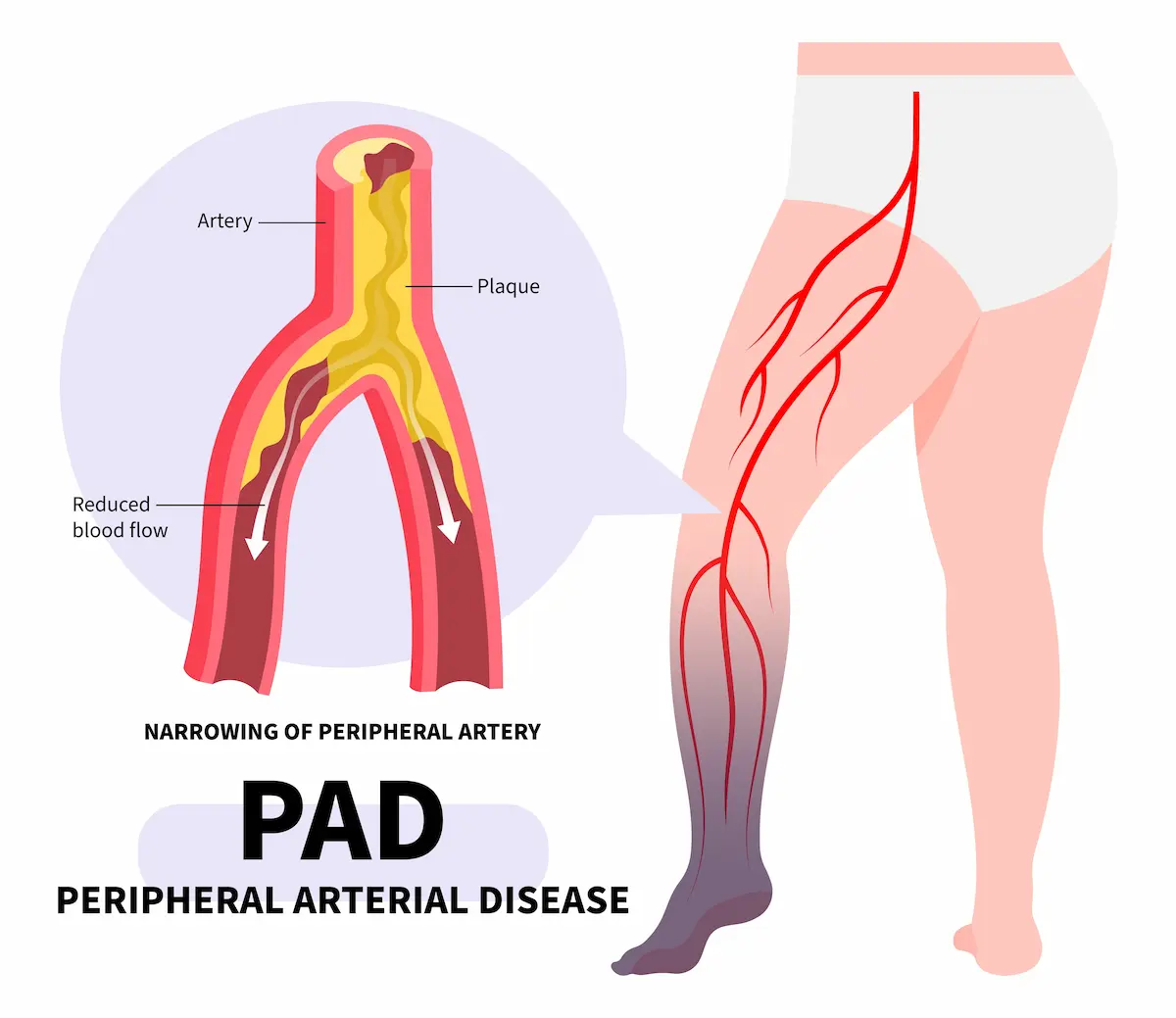
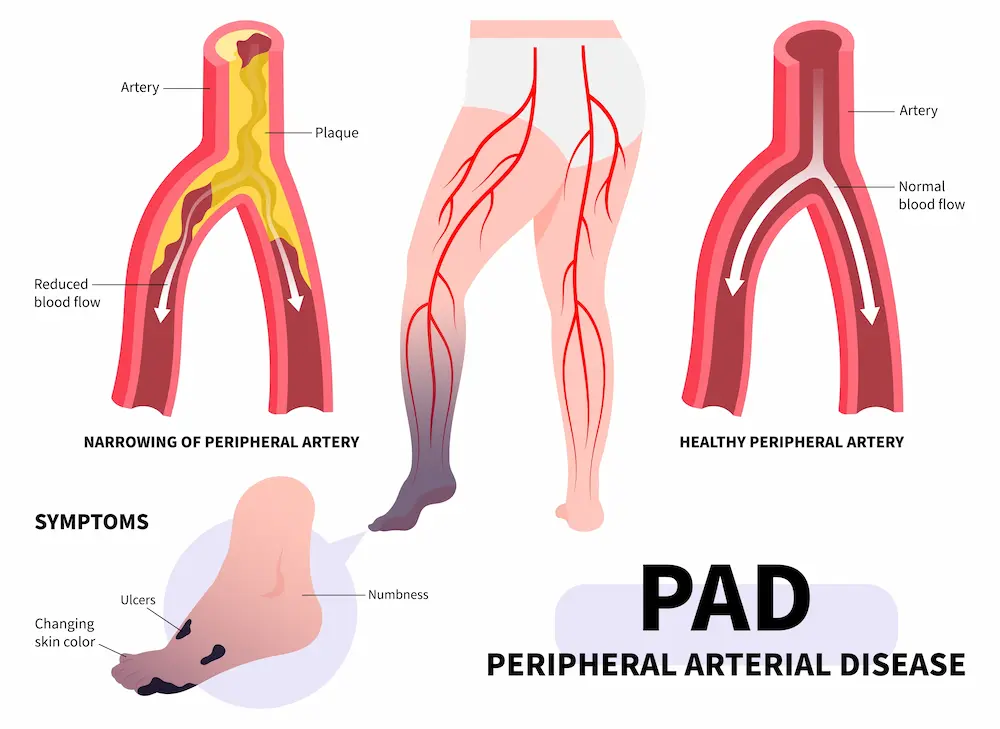
Peripheral arterial disease occurs when the arteries supplying blood to the legs and feet become narrowed or blocked by atherosclerosis, a build-up of fatty plaques, cholesterol, calcium, and inflammatory cells on the inner artery wall. As the blockage worsens, the muscles and tissues of the lower limb receive insufficient oxygenated blood, particularly during activity.


PAD is sometimes called a ‘leg attack’ analogous to a heart attack, but in the peripheral circulation. The same risk factors that cause coronary artery disease (narrowing of heart arteries) and carotid artery disease (narrowing of neck arteries supplying the brain) cause PAD. Patients with PAD are also at significantly higher risk of heart attack and stroke.

How Arterial Disease Progresses: From Claudication to Limb Loss

Without treatment, PAD follows a predictable progression. The process begins with asymptomatic plaque build-up; progresses to intermittent claudication (cramping pain in the calf or thigh during walking, relieved by rest); then to rest pain (constant pain in the foot and toes at night or when lying down); and in its most severe form, Critical Limb Threatening Ischaemia (CLTI) characterised by non-healing wounds, gangrene, and imminent risk of amputation.

Limb Salvage Philosophy

Dr Tay's approach is always limb salvage first. Amputation is a last resort — not a first option. In over 90% of cases where patients are referred for consideration of amputation, endovascular or surgical revascularisation restores sufficient blood flow to allow wound healing and preserve the limb. The key is early referral and timely intervention.

Urgent Referral

If you have been told amputation may be necessary — seek a second opinion at Spectrum Surgery before proceeding. Contact us urgently for a same-week assessment.

Request a Same-Week Assessment

Why PAD is a Public Health Crisis?

  • Singapore performs three to four lower limb amputations every day  one of the highest rates among developed nations
  • 1 in 10 Singaporeans has diabetes  the leading driver of PAD and non-healing foot wounds in Singapore
  • Singapore’s national War on Diabetes programme (HPB/MOH) identifies vascular complications as a primary target  early PAD diagnosis and limb salvage are central to reducing amputation rates
  • South Asian and Malay Singaporeans carry a disproportionately elevated risk of diabetes-related vascular disease

Recognising the Symptoms

  • Cramping, aching, or heaviness in the calf, thigh, or buttock that appears when walking and disappears with rest
  • Noticeably reduced walking distance before pain forces you to stop
  • One leg feels significantly colder than the other
  • Reduced or absent pulse in the foot or ankle
  • Rest pain, burning or aching in the foot and toes, worse at night or when lying down; temporarily relieved by hanging the leg down
  • Non-healing ulcers or wounds on the foot, ankle, or lower leg that have not improved in two or more weeks
  • Darkening, blackening, or gangrene of a toe or area of the foot
  • Recurrent infections in the lower leg or foot

How is Arterial Disease Diagnosed?

At Spectrum Surgery, Dr Tay uses a structured diagnostic approach to confirm PAD, map the extent of disease, and plan treatment. Depending on your presentation, one or more of the following investigations will be performed:
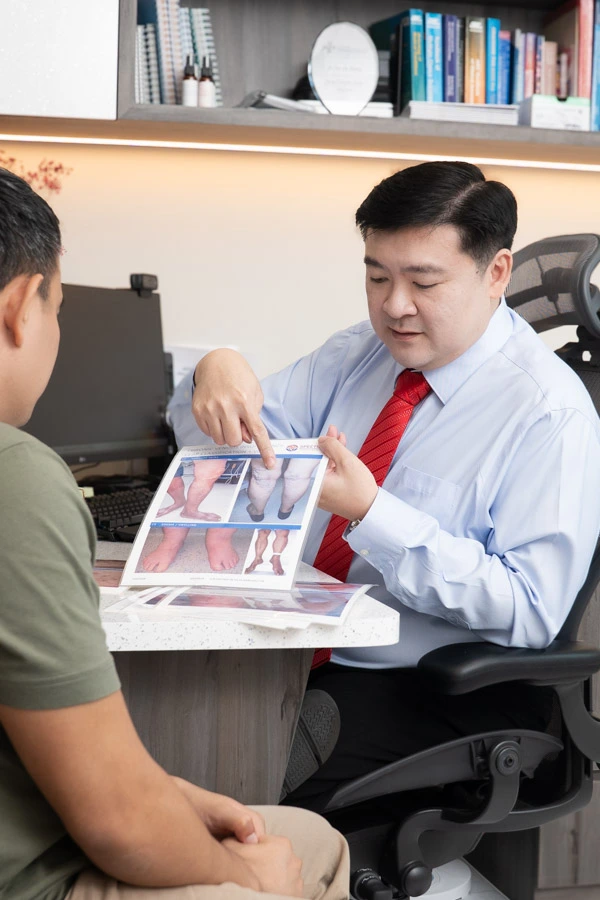
  • Ankle-Brachial Index (ABI) tests  a non-invasive, 15-minute in-clinic test comparing blood pressure at the ankle versus the arm. An ABI below 0.9 confirms PAD. This is the most important screening tool for anyone with leg pain or diabetes over 50.
  • Duplex Ultrasound (Doppler scan) uses sound waves to visualise the arteries and measure blood flow velocity. Identifies blockage locations and severity without radiation or contrast dye. Performed in-clinic.
  • CT Angiography (CTA)  , the gold standard for pre-surgical planning; produces a detailed three-dimensional map of the entire arterial tree from the aorta to the foot. Uses intravenous contrast dye.
  • Catheter Angiography (DSA Digital Subtraction Angiography)  the most detailed imaging available; also allows treatment (angioplasty or stenting) to be performed in the same session. Used for complex or multi-level disease.
Man clutching his chest, showing possible symptoms of aortic dissection

Aortic disease is dangerous because it often develops silently:


Many people have no symptoms until the condition becomes severe. When the wall of the aorta weakens and expands, as in an aortic aneurysm, it can rupture and cause sudden internal bleeding, which is life-threatening.


In an aortic dissection, a tear in the inner wall allows blood to flow between the layers of the artery, disrupting blood supply to vital organs such as the heart, brain and kidneys. This is a medical emergency that requires urgent treatment.


Even smaller aneurysms can grow over time, increasing the risk of rupture. Early detection and regular monitoring are key to preventing complications and ensuring timely intervention.

MediSave and Insurance Coverage

  • MediSave accepted: Vascular procedures including angioplasty, bypass surgery, and endovascular interventions are MediSave-claimable under the MediShield Life schedule
  • Integrated Shield Plans: AIA, Great Eastern, HSBC Life, NTUC Income, Prudential, and Singlife policies typically cover vascular surgical procedures
  • Pre-authorisation support: Spectrum Surgery’s team assists with insurance pre-authorisation and MediSave claims so you can focus on your recovery
  • Subsidised care pathway: Patients who prefer to be treated at Sengkang General Hospital under the public system can be referred — Dr Tay can advise

Treatment Options

Spectrum Vascular surgeon explaining stent graft treatment during consultation

Conservative Management

For early-stage PAD (claudication without rest pain or tissue loss), supervised exercise and medical therapy form the first line:

  • Supervised walking programme  builds collateral circulation and significantly improves walking distance
  • Antiplatelet therapy (aspirin or clopidogrel)  reduces the risk of arterial thrombosis and cardiovascular events
  • Statin therapy slows plaque progression and reduces cardiovascular mortality
  • Smoking cessation the single most impactful lifestyle modification for PAD
  • Aggressive diabetes management tight HbA1c control dramatically reduces PAD progression rate


Endovascular (Minimally Invasive) Procedures

For moderate to severe PAD, minimally invasive endovascular procedures restore blood flow without the need for open surgery. Most are performed as day surgery under local or light sedation:

  • Balloon angioplasty a fine catheter with an inflatable balloon is guided to the blockage and inflated to open the narrowed artery
  • Stenting a metal mesh tube (stent) is deployed inside the artery to keep it open after angioplasty
  • Atherectomy a rotating cutting device removes calcified plaque from the artery wall
  • Drug-eluting balloon (DEB) coated balloon delivers anti-restenosis medication to the artery wall, reducing re-blockage rates


Open Surgical Procedures

For multi-level disease, failed endovascular treatment, or anatomically unsuitable lesions, open surgery provides durable long-term results:

  • Bypass: grafting  a vein or synthetic graft bypasses the blocked segment to restore blood flow to the foot
  • Endarterectomy: surgical removal of plaque from within the artery, most commonly used for iliac and femoral artery disease

Concerned About Your Risk of Arterial Disease?

Dr Tay Jia Sheng, FRCS Edinburgh, FAMS, founder of the Vascular and Endovascular Service at Sengkang General Hospital, has helped hundreds of patients avoid amputation through early diagnosis and minimally invasive treatment. MediSave accepted. Same-week appointments available at Novena and Farrer Park.

**MediSave claimable. MOH-accredited. No referral needed.

Get in Touch

For enquiries, consultation or second opinions, please complete the form below or call us at +65 8874 0371


Our team will get back to you shortly to assist with your request.

Clinical team at Spectrum Vascular & General Surgery in Singapore

FAQ: Patient Information

PAD (peripheral arterial disease) is a blockage in the arteries carrying blood to the legs, causing cramping, non-healing wounds, and limb threat  while DVT (deep vein thrombosis) is a clot in the veins carrying blood back from the legs, causing swelling and pain. Both conditions require urgent specialist assessment at Spectrum Surgery, where Dr Tay treats both arterial and venous disease.

Yes, many patients with early to moderate PAD are successfully managed with supervised exercise, antiplatelet therapy, statins, and strict diabetes and blood pressure control without any surgical intervention. At Spectrum Surgery, Dr Tay always explores conservative and minimally invasive options first; open surgery is a last resort, not a default.

Yes, vascular procedures for PAD including angioplasty, stenting, and bypass surgery are MediSave-claimable under the MediShield Life schedule in Singapore. Spectrum Surgery's team assists patients with pre-authorisation and insurance claims before their procedure.

PAD-related claudication pain characteristically appears in the calf or thigh during walking and disappears within minutes of stopping to rest. Muscle strain pain persists regardless of activity and often worsens with rest. If your leg pain follows this walking-rest-walking pattern, book an ABI test at Spectrum Surgery; it is a 15-minute non-invasive in-clinic test that confirms or rules out PAD.

Untreated PAD progresses from claudication to rest pain, then to non-healing wounds and gangrene ultimately resulting in limb amputation and significantly elevated risk of heart attack and stroke. Singapore performs three to four lower limb amputations every day largely due to untreated PAD and diabetes; early assessment at Spectrum Surgery can prevent this outcome in the majority of cases.

Angioplasty is a minimally invasive day surgery procedure most patients return home the same day and resume light daily activities within one to two days. Full recovery and return to normal activity typically takes one to two weeks, depending on the extent of disease treated.

In the majority of cases, blood flow to the foot can be restored with endovascular treatment (angioplasty or stenting) before irreversible tissue death occurs. Dr Tay achieves limb salvage in over 90% of patients referred for consideration of amputation; the key is early referral to Spectrum Surgery before the wound becomes untreatable.

Anyone over 50 with diabetes, smoking history, hypertension, or high cholesterol should have a baseline ABI test PAD in this group is common, often asymptomatic, and highly treatable when caught early. In Singapore, given the high prevalence of diabetes, screening from age 45 is advisable for anyone with two or more cardiovascular risk factors; contact Spectrum Surgery for a same-week screening appointment.

Related Conditions

Close-up of leg veins showing visible vein changes
Deep Vein Thrombosis
  • Anticoagulant (Blood-Thinning) Therapy
  • Compression Therapy
  • Thrombolysis (Clot-Dissolving Treatment)
dialysis access in vascular clinic singapore
Dialysis Access
  • Haemodialysis access creation
    • Arteriovenous fistula (AVF)
    • Arteriovenous graft (AVG)
  • Peritoneal dialysis access creation
    • Minimally invasive laparoscopic
    • Open
  • Haemodialysis salvage
    • Endovascular
    • Hybrid
    • Open
vascular surgery for chronic wounds
Chronic Wounds
  • Diabetic foot ulcers (DFU) and wounds
  • Ischaemic/arterial wounds
  • Mixed arteriovenous wounds
  • Wound reconstruction options
    • Negative pressure wound therapy
    • Dermal substitutes (Integra, Myriad Matrix)
    • AccelHeal
    • ActiGraft
    • Split-thickness skin grafting

Aortic Disease

aortic aneurysm

These conditions primarily affect the arteries, which are blood vessels responsible for transporting oxygenated blood from the heart to the rest of the body. The aorta, the body’s main and largest artery, can be afflicted by various conditions that compromise its function and structural integrity. These conditions can manifest in various ways, from minor symptoms to life-threatening events. Early diagnosis and treatment are crucial to prevent life-threatening complications.

What is the Aorta?

The aorta is the largest artery in the body, acting as the main blood vessel that transports oxygen-rich blood from the heart to the rest of the body. It starts from the heart, extends through the chest (thoracic aorta), continues down the abdomen (abdominal aorta), and into the pelvis, supplying blood to the legs. Along its course, the aorta branches out to supply vital organs such as the lungs, stomach, liver, intestines, and kidneys.

What is an Aortic Aneurysm?

An aortic aneurysm (AA) is an abnormal bulge or ballooning in the wall of the aorta where it has weakened. This condition can develop in various parts of the aorta:

  • Thoracic Aortic Aneurysm (TAA): Develops in the part of the aorta that runs through the chest, potentially leading to severe chest or back pain, and complications such as aortic dissection or rupture.
  • Abdominal Aortic Aneurysm (AAA): Develops in the part of the aorta that runs through the abdomen. Symptoms may include a pulsating feeling above the navel, deep, constant pain in the abdomen or on the side of the abdomen, or even back pain.
  • Thoracoabdominal Aortic Aneurysm (TAAA): Involves both the thoracic and abdominal segments of the aorta, causing severe pain in both areas and carrying a high risk of rupture.

Who is Affected?

Aortic aneurysms can affect anyone but are more common in men over the age of 65. Risk factors include:

  • Atherosclerosis: Buildup of fat and cholesterol weakens arterial walls.
  • Family History: A family history of aortic aneurysms increases risk.
  • Genetic Conditions: Syndromes like Marfan, Ehlers-Danlos, and Loeys-Dietz increase susceptibility.
  • Tobacco Use: Smoking accelerates atherosclerosis and damages arterial walls.
  • High Blood Pressure: Chronic hypertension weakens arterial walls.
  • Age: Risk increases with age.
  • Gender: Men are more likely to develop aortic aneurysms than women.

Why is it Dangerous?

In its early stages, an aortic aneurysm may not pose an immediate health risk if it is smaller than scientifically established threshold diameters or shapes. However, as it grows, the aneurysm walls stretch and thin, compromising the aorta’s ability to withstand blood pressure. This increases the risk of rupture, which leads to severe internal bleeding and can be fatal without prompt medical intervention.

Diagnosis and Treatment

Early diagnosis and treatment of aortic aneurysms are crucial to prevent life-threatening complications. Regular screening, especially for individuals with risk factors, can help detect aneurysms before they become critical. Treatment options vary based on the size and location of the aneurysm and may include:

  • Monitoring: Regular imaging tests to track the aneurysm’s size and growth.
  • Medication: Managing risk factors such as high blood pressure and cholesterol.
  • Surgery: Repairing the aneurysm through procedures such as open surgical repair, endovascular aneurysm repair (EVAR), or thoracic endovascular aneurysm repair (TEVAR).

Understanding aortic aneurysms and their potential risks underscores the importance of early detection and management to maintain cardiovascular health.

abdominal aortic aneurysm
This refers to an abnormal bulge or ballooning in the wall of the aorta as it passes through the abdomen.
  • Causes of Abdominal Aortic Aneurysm (AAA):

    • Atherosclerosis: The buildup of fat and cholesterol narrows and weakens the arterial walls.
    • Genetics: Individuals with a family history are at a higher risk.
    • Tobacco Use: Smoking accelerates atherosclerosis and damages the arterial wall.
    • High Blood Pressure: Chronic hypertension can weaken the arterial wall over time.
  • Symptoms of Abdominal Aortic Aneurysm (AAA):

    • Many AAAs are silent and asymptomatic and are discovered during routine medical exams.
    • A pulsating feeling near the navel.
    • Deep, constant pain in the abdomen or lower back.
  • Abdominal Aortic Aneurysm (AAA) Treatment Options:

    • Observation: Regular monitoring for smaller aneurysms.
    • Endovascular Repair: A less invasive procedure where an endo-graft is inserted to exclude the aneurysm.
    • Open Repair: A more traditional surgery where the aneurysm is replaced with a graft.
thoracic aortic aneurysm
This involves a bulging or enlargement in the upper part of the aorta that runs through the chest.
  • Causes of Thoracic Aortic Aneurysm:

    • Genetics: Syndromes like Marfans, Ehlers-Danlos and Loeys-Dietz predispose individual to increased risk.
    • High Blood Pressure: Chronic hypertension stresses the arterial wall.
    • Atherosclerosis: Hardening of the arteries with weakening of the arterial walls.
  • Symptoms of Thoracic Aortic Aneurysm:

    • Often silent until it's severe.
    • Chest pain or tightness.
    • Back pain.
    • Shortness of breath or trouble breathing.
  • Thoracic Aortic Aneurysm Treatment Options:

    • Observation: Monitoring for smaller aneurysms.
    • Endovascular Repair: A minimally invasive procedure using a stent-graft.
    • Open Repair: Traditional surgery which is no longer commonly used due to significant risk of problems and death.
aortic dissection

A serious condition where the inner layers of the aorta separate due to a tear, allowing blood to flow between them.

  • Causes of Aortic Dissections:

    • High Blood Pressure: Chronic hypertension is the most common cause.
    • Traumatic Injury: Accidents or injuries can lead to a tear.
    • Genetic Conditions: Syndromes like Marfans, Ehlers-Danlos and Loeys-Dietz predispose individual to increased risk.
  • Symptoms of Aortic Dissections:

    • Sudden, severe chest or upper back pain, often described as a tearing sensation.
    • Shortness of breath or difficulty breathing.
    • Fainting or dizziness.
    • Loss of consciousness
  • Aortic Dissections Treatment Options:

    • Medications: To rapidly lower blood pressure and reduce heart rate.
    • Endovascular Repair: Inserting a stent-graft to repair the dissection and promote aortic remodeling
    • Open Repair: Traditional surgery which is no longer commonly used due to significant risk of problems and death.
iliac aortic aneurysm
An enlargement in the iliac section of the aorta, which branches out to supply blood to the lower body.
  • Causes of Iliac Aortic Aneurysm:

    • Atherosclerosis: Hardening of the arteries with weaked arterial walls.
    • Genetics: A family history can increase risk.
    • Tobacco Use: Smoking or chewing tobacco accelerates atherosclerosis.
  • Symptoms of Iliac Aortic Aneurysm:

    • Often silent and discovered during routine exams.
    • Pelvic or lower back pain.
    • Leg pain, numbness, or weakness.
  • Iliac Aortic Aneurysm Treatment Options:

    • Endovascular Repair: A minimally invasive procedure using a stent-graft.
    • Open Repair: Traditional surgery to replace the affected segment.

Seek Expert Aortic Aneurysm Treatment in Singapore

Aortic diseases can have severe implications if left untreated. If you or a loved one is experiencing any of the symptoms mentioned above, it is crucial to seek expert care immediately. Our team offers comprehensive diagnostic and treatment services tailored to individual needs.

Frequently Asked Questions About Aortic Aneurysm

An aortic aneurysm is an abnormal enlargement or ballooning of the aorta, the largest artery in the body that carries oxygen-rich blood from the heart to the rest of the body. It occurs when the wall of the aorta weakens and bulges outwards.
Aortic aneurysms primarily affect adults aged 65 and above, with men being more commonly affected. Risk factors include smoking, high blood pressure, atherosclerosis, genetic conditions, and family history.
  • Thoracic Aortic Aneurysm (TAA): Occurs in the chest portion of the aorta.
  • Abdominal Aortic Aneurysm (AAA): Occurs in the abdominal portion of the aorta.
  • Thoracoabdominal Aortic Aneurysm (TAAA): Spans both the thoracic and abdominal areas of the aorta.
In the early stages, small aortic aneurysms may not pose an immediate risk but should be monitored by a vascular surgeon. Larger aneurysms (>5cm in diameter) have a higher risk of rupture, leading to severe internal bleeding and potentially death. The risk of rupture increases with the aneurysm’s size.
Aortic aneurysms often develop without symptoms until they grow significantly or rupture. Common symptoms include a pulsating mass in the abdomen and severe, persistent pain in the abdomen, back, or chest. Immediate medical attention is required if these symptoms occur due to the high risk of rupture. Other symptoms include indigestion, blood clots, and fever if the aneurysm becomes infected.
Aortic aneurysms are typically diagnosed through imaging tests. An ultrasound scan of the aorta is often used for initial screening. A detailed CT scan with contrast provides comprehensive information about the aneurysm’s size, shape, and relation to surrounding arteries and organs.

Treatment is recommended when:

  • The aneurysm’s diameter exceeds 5cm for AAA and 5.5cm for TAA.
  • The aneurysm grows rapidly (more than 5mm every six months).
  • Symptoms such as pain develop.
  • Complications like distal embolization occur.
  • The aneurysm starts to leak or ruptures.
  • Endovascular Aortic Stent Graft Repair (EVAR or TEVAR): A minimally invasive procedure where a stent graft is inserted through the groin vessels to exclude the aneurysm from blood pressure, thereby preventing rupture.
  • Open Surgical Repair: A major operation where the aneurysm is replaced with a graft through an abdominal or chest incision.
Recovery depends on the type of surgery. Endovascular stent graft repair typically involves a shorter hospital stay of 24 to 48 hours. Open surgical repair requires ICU stay and hospital recovery for up to ten days. Post-surgery, regular CT or ultrasound scans are needed to monitor the aneurysm and the effectiveness of the treatment.
Minimally invasive endovascular repair (EVAR & TEVAR) generally have lower risks of complications compared to open surgery and are typically recommended unless other considerations apply.

Close management of chronic medical conditions such as hypertension and cholesterol with medications is crucial. Maintaining a healthy lifestyle with regular exercise, a balanced diet, and avoiding smoking can also help prevent aortic aneurysms.

For more information about aortic aneurysms, or to schedule a consultation with a vascular surgeon in Singapore, contact our clinic today. Our experienced team is dedicated to providing comprehensive vascular care and advanced treatment options to ensure your health and well-being.

Mount Elizabeth Novena
Specialist Centre

38 Irrawaddy Road
#10-33
Singapore 329563
Tel: +65 6041 0933 

Farrer Park Hospital
Medical Centre

1 Farrer Park Station Road
#08-14 Connexion
Singapore 217562
Tel: +65 6974 8859

© 2026 Spectrum Vascular & General Surgery
Privacy Policy | Terms of Use