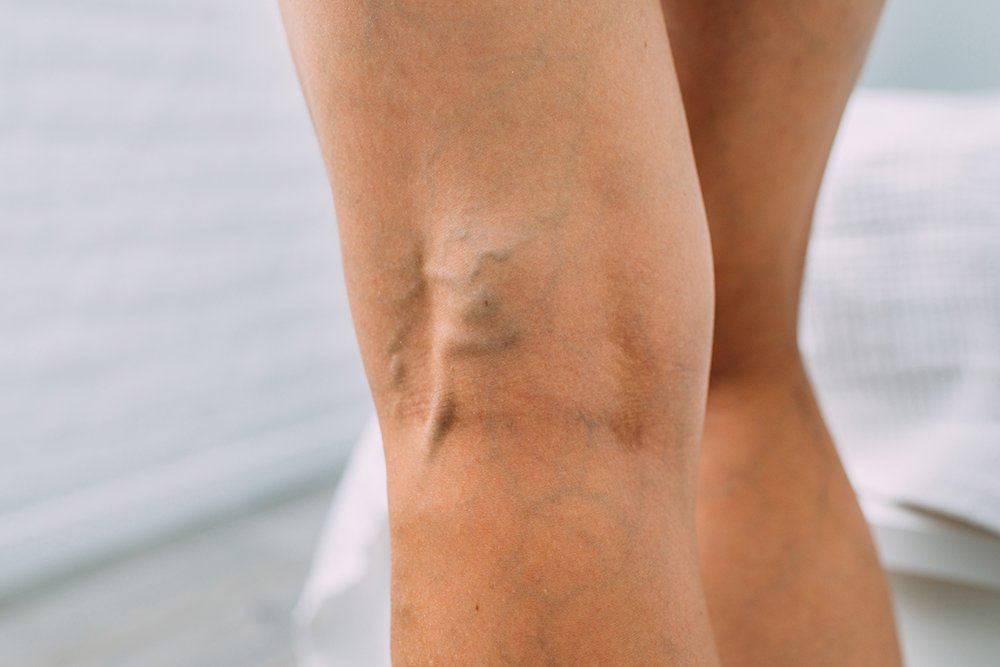
Varicose veins are a common condition that occurs when the valves in your veins weaken, causing blood to pool and the veins to become enlarged, twisted or bulging. Symptoms may include leg heaviness, aching, swelling or visible vein changes.
It is therefore natural to wonder whether supplements, vitamins or creams can help manage varicose veins or even reverse them. This page explains what supplements can and cannot do, and when medical treatment should be considered.
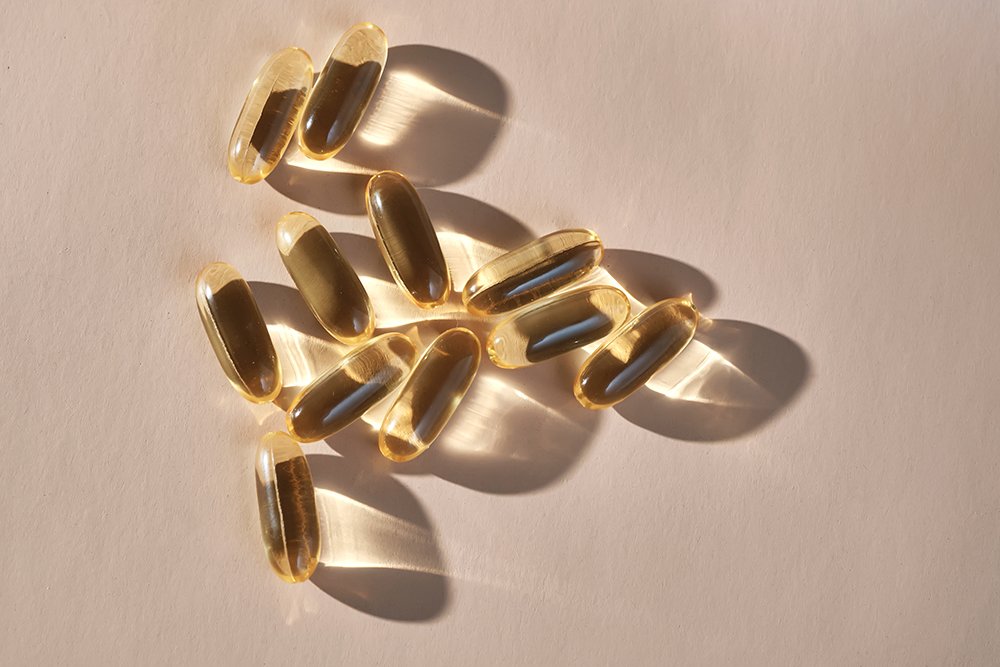
Supplements do not treat or remove varicose veins. Varicose veins are caused by faulty vein valves, which supplements cannot repair. Some supplements may help support vein health or ease mild symptoms such as leg heaviness or swelling, but they do not correct the underlying vein problem.
Medical treatment is required to address varicose veins effectively. Supplements, creams and lifestyle measures may play a supportive role, but they are not a substitute for specialist assessment or treatment.
Supplements do not treat or remove varicose veins. Varicose veins are caused by faulty vein valves, which supplements cannot repair. Some supplements may help support vein health or ease mild symptoms such as leg heaviness or swelling, but they do not correct the underlying vein problem.
Medical treatment is required to address varicose veins effectively. Supplements, creams and lifestyle measures may play a supportive role, but they are not a substitute for specialist assessment or treatment.
There is currently no supplement that can cure or reverse varicose veins. However, some supplements are commonly discussed for their potential role in supporting vein health or managing mild symptoms in selected individuals.
These include:
For most individuals, a balanced diet provides sufficient nutrients to support general vein health. Dietary sources include:
Citrus fruits, strawberries and bell peppers for vitamin C
Berries and onions for natural bioflavonoids
As a rule, supplements are usually only considered if dietary intake is insufficient. Simply taking extra vitamins will not improve existing varicose veins – they may support overall vein health or help manage mild symptoms, but they cannot reverse or treat the condition.
Many topical creams claim to reduce discomfort or improve the appearance of varicose veins. Some aim to soothe the skin, reduce swelling or temporarily improve cosmetic appearance.
Certain creams are also used after vein procedures to help reduce redness, swelling or skin irritation during recovery.
However, creams do not treat the underlying cause of varicose veins. Their role is supportive rather than curative.
If you choose to use a cream, it is advisable to:
Varicose veins cannot be removed through natural remedies alone. Effective treatment requires medical intervention that targets the faulty veins.
Common minimally invasive treatment options include:
Endovenous laser ablation (EVLA) – Uses laser energy to close affected veins.
VenaSeal (medical adhesive) – Seals the vein using a specialised medical adhesive, without heat or surgical incisions.
Sclerotherapy – Involves injecting a solution to close smaller or residual veins.
If you are not ready for medical treatment, certain lifestyle measures may help reduce discomfort and support day-to-day symptom control. These measures aim to improve circulation and ease pressure in the legs, rather than treat the underlying vein problem.
Regular walking or gentle exercise can help promote blood flow, while compression stockings may reduce leg heaviness or swelling by supporting the veins.
Elevating the legs when resting can also help relieve pressure and discomfort.
While these approaches may help manage symptoms and slow progression in some individuals, they do not remove varicose veins or correct faulty vein valves.
When it comes to supplements and varicose veins, expectations are often shaped by marketing claims rather than how veins actually function. Understanding where supplements may help, and where their limitations lie, can help guide more informed decisions.
Supplements cannot shrink, remove or reverse varicose veins. Varicose veins develop due to damaged vein valves, and once these valves are no longer functioning properly, supplements are unable to repair them. Medical treatment is required to address the affected veins directly.
There is limited evidence that supplements can prevent varicose veins from progressing. Factors such as physical activity, weight management and early assessment of vein function play a more significant role in symptom control and long-term outcomes.
Some individuals report modest improvement in symptoms such as leg heaviness or swelling when using certain supplements. These effects vary between individuals and are generally supportive rather than therapeutic.
Supplements should not be relied on if symptoms persist, worsen or are accompanied by skin changes, bleeding or increasing swelling. These features may indicate underlying vein disease that requires specialist assessment rather than symptom-based management.
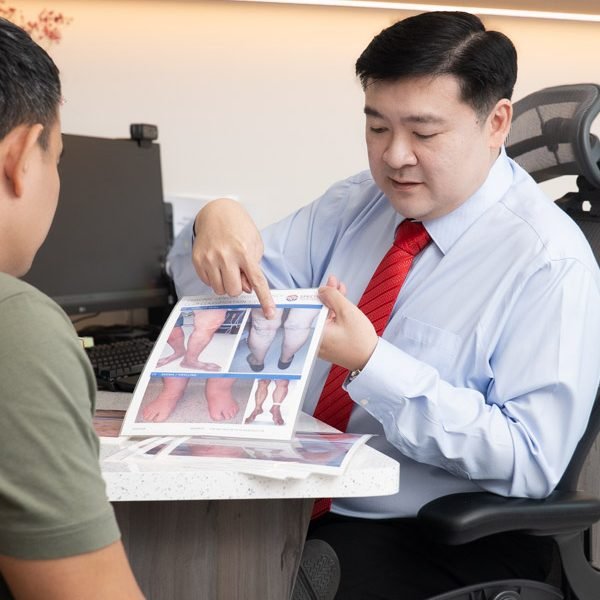
If you have questions about supplements, lifestyle measures or treatment options for varicose veins, a visit to our vascular clinic can provide clarity and reassurance.
There is no obligation to proceed with treatment. The focus is on understanding your condition and discussing options that suit your needs, whether you are seeking advice now or planning ahead.
References:
38 Irrawaddy Road
#10-33
Singapore 329563
Tel: +65 6041 0933
1 Farrer Park Station Road
#08-14 Connexion
Singapore 217562
Tel: +65 6974 8859
HP: +65 8874 0371 (24 hours)
Email: contact@spectrum-surgery.com
© 2026 Spectrum Vascular & General Surgery